
Mental Health Moment: Marking Grief with Memorial Practices, Part 1

As Hope Moms, a new year can bring big questions about our grief journey. We tend to ask about how best to remember our Hope Babies, who we are without them, and how we will manage our sorrow another day, another year. Loving our heavenly babies while still on earth can feel confusing, and working through our experience of loss is overwhelming.
The good news is God highly values our need to connect to our heavenly babies and work through the giant life change that is loss and grief. He recognizes our inability to contain all that our human experience entails. He knows we need outlets that meet us in life’s overwhelming burdens.
During the next two weeks we will take this opportunity of a new year to consider how to incorporate rhythm and ritual into our lives–places where God meets us in our pain. We will uncover the Bible’s use of ritual for marking important events, overwhelming transitions, and loss (Part 1) and explore why rituals are so helpful to humans in grief (Part 2).
 PART 1: MEMORIAL PRACTICES IN THE BIBLE
When milestone events occur in our lives, whether they be joyous or mournful, they usually indicate we will transition from one season of life to another. So, marking them symbolically becomes an important part of the process. We see evidence all throughout Scripture of God inviting (and commanding) individuals and communities to mark important events, overwhelming transitions, and the loss of beloved people through various ceremonies, customs, and rituals.
Ritual for Momentous Events
Other than the Cross, the most momentous event in Israel’s history was the Exodus from Egypt. The Exodus is not only a hingepoint in the history of Israel, but is the foreshadowing of the most important event in all of history: God’s great rescue through the death and resurrection of His Son Jesus.
The Exodus was so important that God commanded His people to remember it through an annual Passover event (Ex 12; Lev 23:4-8; Lk 22:15; Jn 11:55). Each year the Israelites ceased their activity for a full week and focused solely on remembering what He did for them. Among other rituals, the Passover tradition included:
- pilgrimage to Jerusalem
- a temple sacrifice of a perfect lamb
- a meal reminiscent of the original event
- singing the Hallel Psalms (Ps 113-118)
- recounting Exodus story to each other.
These multi-sensory customs tangibly revived the impact of His rescue, reminded them of their status as a freed people, and gave them an opportunity to share about God’s redemption with others in a meaningful way.
How have you or do you want to make a regular (annually, monthly, daily) practice of honoring your Hope Baby? How can you routinely mark the grace of God in your life, even in your deep pain?
Ritual for Overwhelming Transitions
God’s people were well-versed in transition and big change. Consider their shift from a mass of slaves to a nation of God, or being exiled to pagan nations and then returned to their devastated homeland.
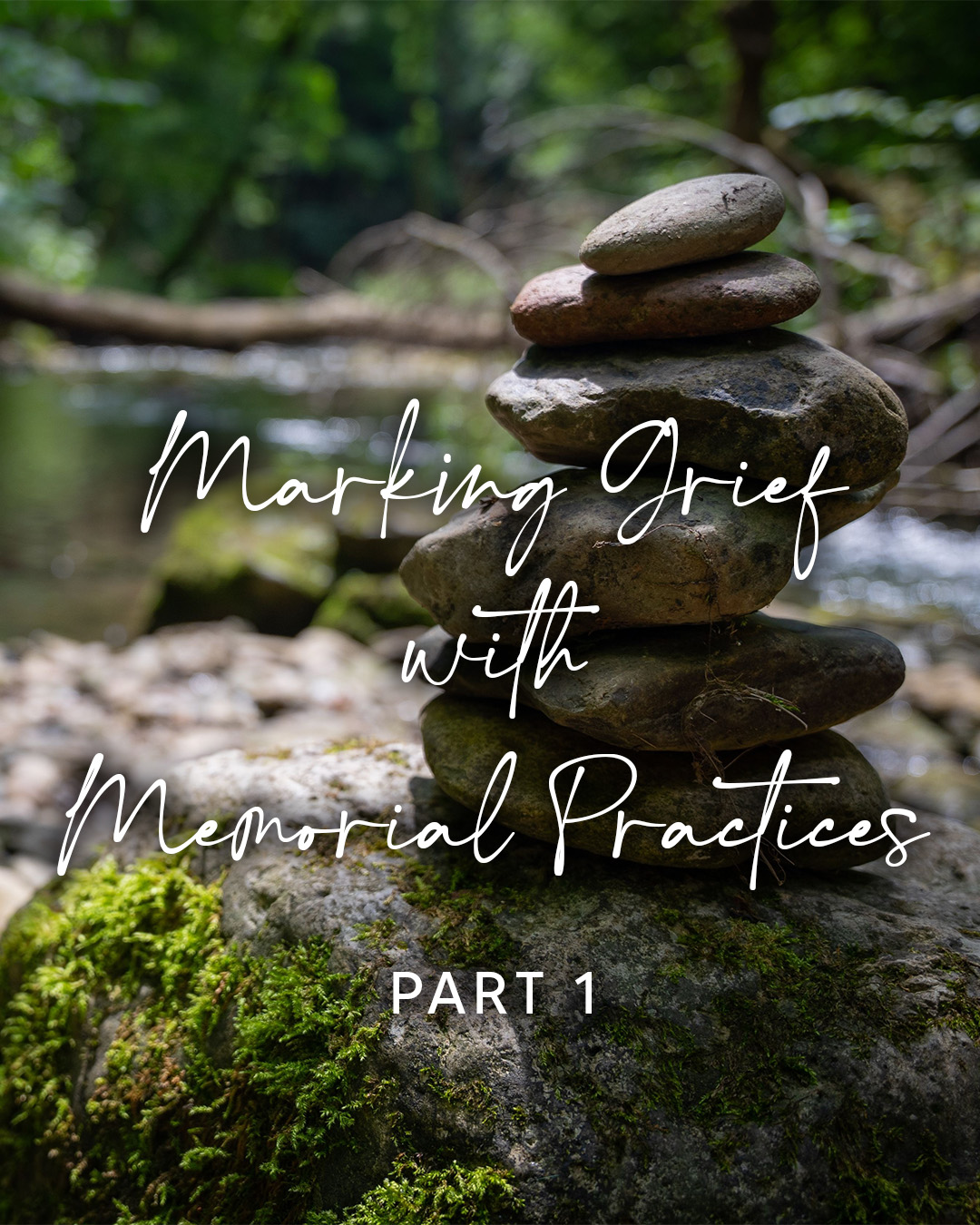
One of the biggest transitions in Israel’s history occurred before they entered the Promised land. After their wilderness wandering God led them to the banks of the Jordan River where He miraculously stopped the river’s flow and created a dry highway to cross. Before He sent them forth to claim their inheritance, He first instructed them to select twelve stones from the middle of the river and stack them on the shore of their new land (Josh 4).
Why did God pause their beeline to victory just to stack a bunch of rocks? He could have simply told them to go blazing into Jericho, victoriously winning their Promised Land. What did God want them to learn from this stone stacking activity?
First, God wanted the people to know what a big deal this transition was. The weight of this miracle in history deserved more than a verbal request to remember it; this event deserved some weighty, enduring rocks to signify the glory of the moment. These stones were going to do what words couldn’t.
Second, God told the tribes to select rocks from the middle of the river right where the priests and ark were standing (Josh 4:3). If you’ve never seen a riverbed, the middle is the deepest part; at a flood stage this part of the Jordan was impassable. Choosing these particular stones would remind the tribes that God went with them, making a way through the impassable, impossible depths.
Third, these stones would honor both their loss and their deliverance. Crossing the Jordan meant leaving behind not only their deceased family members in the wilderness, but also the only life they had ever known. It also meant walking forward into God’s invitation of something new–of His best for them. The stones held both grief and hope together.
Fourth, this stone memorial stood as an invitation for questions, both theirs and those of future generations (Josh 4:21-24). Memorial structures are naturally inviting, safe places to be curious, ask questions, and tell stories–” What happened here?…What does this monument mean?…This is where I learned to trust God.” He ensured the story would be retold for His good purposes.
God knows it’s best for us to pause and honor the things that change the direction of our lives. What would your stone tower look like? How would you like to recognize the change your Hope Babies have made in your life?
Ritual for Grief
While God invited His people to mark His wonders in their lives, He also led them to demonstrate their grief after loss. In the span of Scripture we see how bereaved people
- ritually prepared and anointed bodies (Gen 50:1-2; Jn 19:38–42)
- honored set mourning periods (Gen 50:3)
- utilized lament leaders and mourned publicly (Jer 9:17-20; Mt 9; Jn 11:33; 35)
- tore garments and fasted (2 Sam 1)
- wore sack cloth and ashes (2 Sam 3:31; Josh 7:6)
- sat in silence (Job 2:13)
- gathered together, told stories and gave tribute to the deceased (Jn 11:19; 2 Chron 35)
- wrote and sang poetry (2 Sam 1:17-27).
- clung to significant objects (Ex 13:19; Acts 9:36-39)
If you can, take time to review these scriptures and immerse yourself in our ancestors’ mourning practices. You will find good company there. I personally find comfort in how God used a wide variety of ways to create space for sorrow, honor relationships, legitimize pain, and invite communities to bear each others’ burdens.
What mourning practices have meant the most to you? How did they help you? How did God meet you there?
I love how the Bible validates our innate need for ritual and memorializing. God truly values our design and longs to meet us there. In Part 2, we will further explore the intricate ways God made us, and why rituals are so helpful to us. I will also provide ideas for creating your own traditions and memorial practices.
Kelly
Hope Mom to William Kelly is the Ministry Support Lead for Hope Mommies. She and her husband Dan live in Brenham, TX with their two earthside children, Annabelle and Eli (and lots of pets). Their firstborn, William, went to Heaven in July 2017. To balance out the fullness of life, Kelly enjoys gardening, yoga, and sipping on some matcha while reading historical fiction. She considers herself beyond privileged to share the amazing news of Jesus’ Hope to all who need it, and loves that William gets to be a part of that message.

Got something to say?